
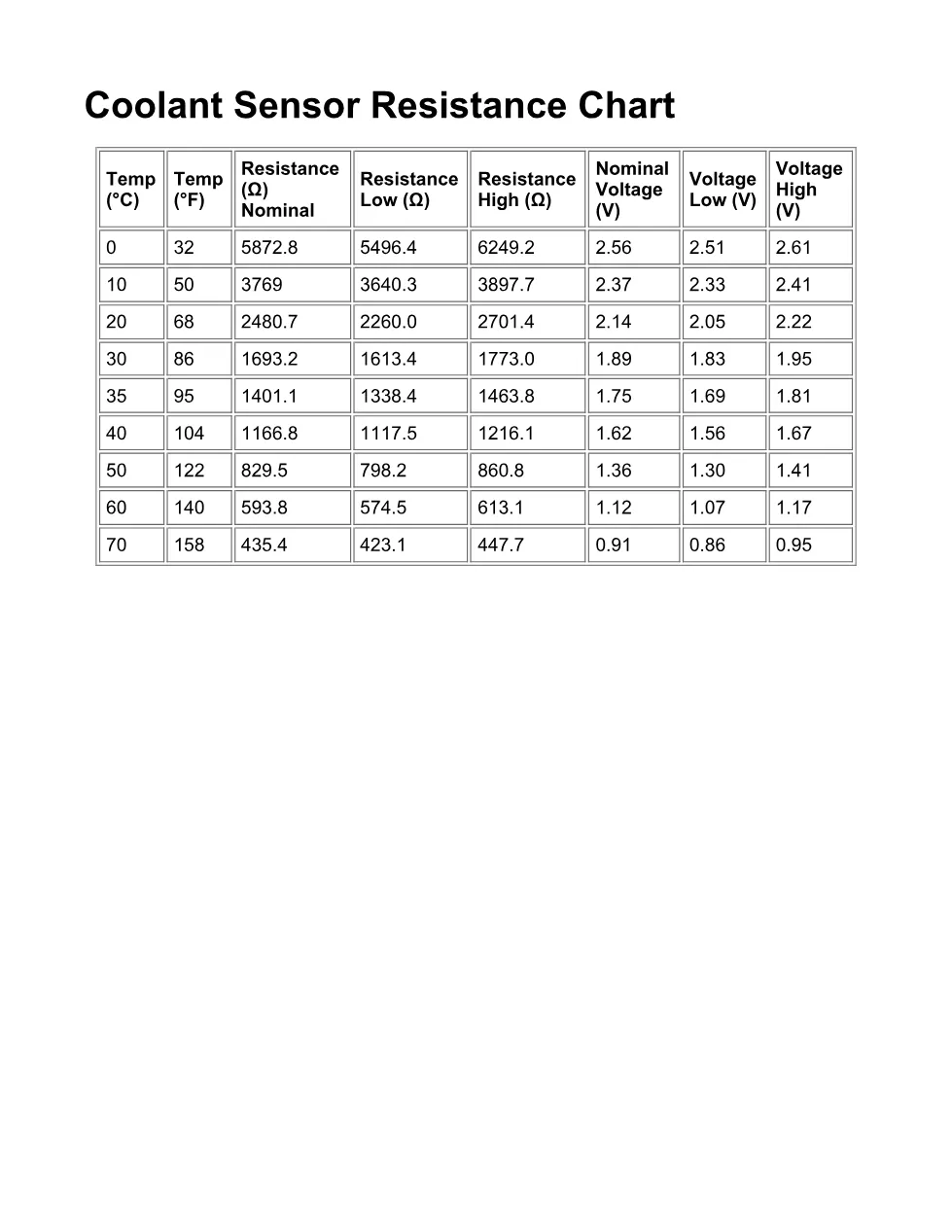
Detroit coolant resistance chart is handled by this 7-page PACCAR Rapido procedure titled General troubleshooting – CAN, document reference M032001. PACCAR publishes it through the Rapido dealer portal for MX Europe engines marked MX_EPA13 and MX_EPA04, and it is the step-by-step routine the manufacturer expects a workshop to follow for a CAN communication fault rather than a code-specific test. The procedure runs from investigating related DTCs, through component and power checks and network isolation, to clearing the codes.
PACCAR MX CAN troubleshooting U1823 document details — Detroit coolant resistance
| Brand | PACCAR |
| Model coverage | MX Europe engines, calibrations MX_EPA13 and MX_EPA04 |
| System / Group | DTCs / MX Europe Engines (EPA 2004) |
| Publication no. | M032001 |
| Year / Revision | 08.14.2015 (page footer printed 18-Aug-17) |
| Pages | 7 |
| File size | 0.1 MB |
| Format | |
| Language | English |
Table of contents — Detroit coolant resistance
- General troubleshooting – CAN
- Step-by-step troubleshooting
- Step 1 – Investigate related DTCs
- Step 1A – Investigate related DTCs
- Step 1B – Visual inspection, installation of aftermarket communication or smart devices
- Step 2 – CAN-related component and power checks
- Step 2A – Visual inspection, connections and wiring, CAN components and power
- Step 2B – Electrical checks, supply voltage, CAN components
- Step 3 – Isolate faulty CAN network or component
- Step 3A – Electrical checks, resistance, V-CAN network
- Step 3B – Electrical checks, resistance, V-CAN termination resistors
- Step 3C – Electrical checks, resistance, E-CAN termination resistors
- Step 3D – Electrical checks, resistance, A-CAN termination resistors
- Step 4 – Clear CAN-related DTCs
- Step 4A – Clear DTCs
Applies to manual information
The document covers PACCAR MX Europe engines in the EPA 2004 group and is marked MX_EPA13, MX_EPA04 at every step. It opens with the ground rules: the ignition should always be in the OFF position when connecting or disconnecting electrical components, the procedure assumes supply power and ground to the PCI are functioning properly, and disconnecting the PCI connectors during troubleshooting will result in multiple errors. PACCAR states that a single problem on the CAN network may generate multiple DTCs for each CAN ECU device, and that it is not recommended to troubleshoot inactive CAN-related DTCs because these are often caused by message overload or occasional voltage dips during engine start-up. Step 1A instructs the technician to use DAVIE diagnostics for a quick check of current P-code DTCs first, since one or more P-codes could be the actual cause. Step 1B covers aftermarket communication or smart devices, which must be installed with an approved PACCAR harness or meet J1939 CAN specifications – wire splicing connectors or tying into the 9-pin diagnosis connector do not meet J1939 standards. Whatever is corrected, PACCAR requires DAVIE to be used to clear all current DTCs from the PCI and EAS-3 ECUs before the quick check is run again to identify a change in fault status. Confirm current vehicle data at PACCAR official.
Who needs this PACCAR MX CAN troubleshooting U1823 manual
Technicians facing PACCAR MX CAN troubleshooting U1823 or any other U-code on an MX Europe engine need this procedure because the sheet for the individual code does not contain the test sequence. Workshop owners also use it to stop parts being replaced before the network has been isolated.
The full PDF of this PACCAR MX CAN troubleshooting U1823 procedure is available in the DiagTechPro manuals library. A free account is required to download it.
Detroit coolant resistance chart is checked against the official workshop document. Record the Detroit coolant resistance chart reference with the service manual.
Related manuals library
Sản phẩm liên quan cho hãng này
Cùng brand theo taxonomy hiện có trong catalog WooCommerce.
Detroit Diesel Reports 6.3

Detroit Reprogramming Station (DDRS) 7.11

DDDL Backdoor Password: A Comprehensive Guide


